How can we manage uncertainties in habitat greenhouse gas emissions?
PAST SPRINT | This Sprint ran for 14 months from October 2023
Sustainable development goals
More Sprints
- Science-to-policy projects (2026)
- Environment and National Security: Exploring Policy ‘Demand Signals’ and the Science Response
- How can action on deforestation strengthen the UK’s food system security and resilience?

the challenge
Ecological restoration is central to achieving climate targets. However, progress is constrained by major uncertainties in how land use and management practices affect greenhouse gas fluxes. For many UK habitats, it is unclear whether a site is a net source or sink of emissions.
This creates a significant barrier for decision-makers. Stakeholders such as DAERA and The Wildlife Trusts must develop climate strategies and emissions inventories despite limited and inconsistent evidence. Uncertainty around emissions factors makes it difficult to justify choices, assess trade-offs, and meet policy requirements, including those related to biogenic methane.
These gaps also affect public confidence. Communities may question land-use changes where local impacts are clear, but climate benefits remain uncertain.
the Solutions
The Sprint delivered a set of practical outputs to reduce uncertainty and strengthen the evidence base for decision-making. The work focused on producing robust, policy-relevant analysis that could be directly used by DAERA and The Wildlife Trusts.
The team delivered the following:
- A set of methane emissions scenarios for Northern Ireland, based on historical National Inventory data aligned with DAERA projections, to support development of the Climate Action Plan.
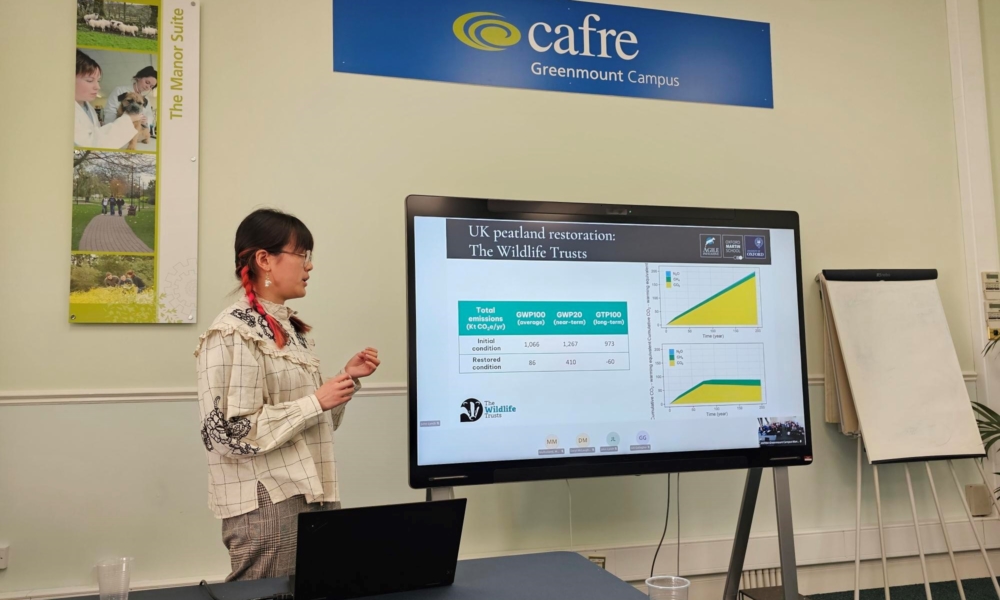
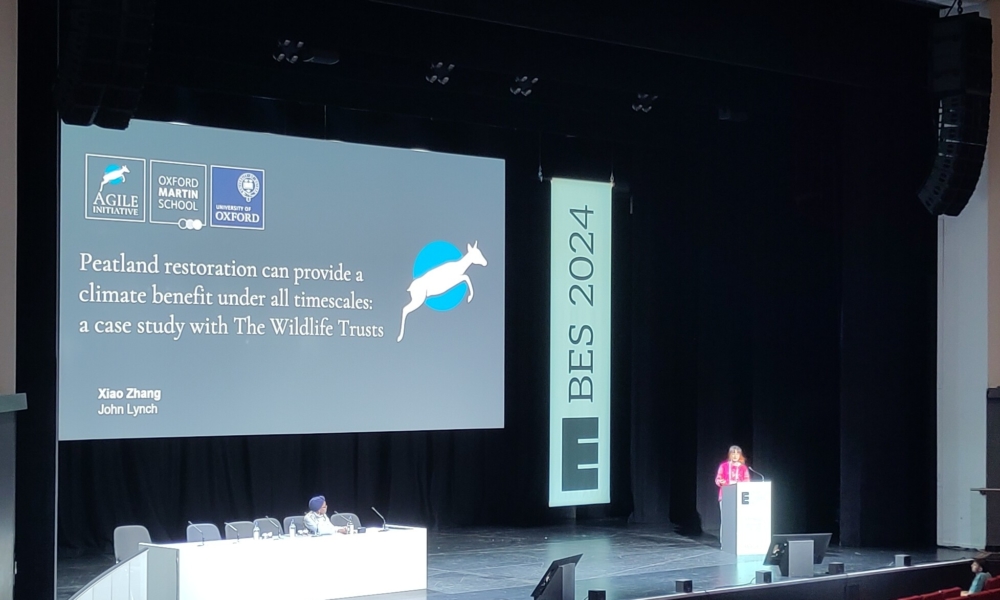
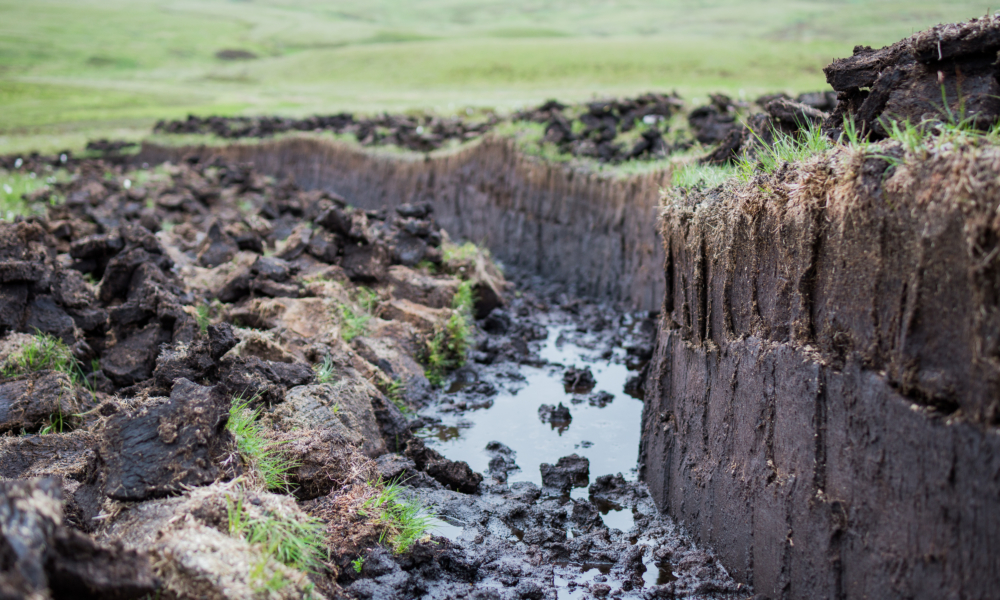
- Updated emissions estimates and uncertainty ranges for key habitats, including managed peatlands, to support The Wildlife Trusts’ greenhouse gas accounting.
- A methodological framework enabling The Wildlife Trusts to update emissions estimates using a consistent and transparent protocol.
- Updated analysis using newly available land-use emissions data to ensure outputs remained robust and policy-ready.
- Two academic papers demonstrating the importance of explicitly accounting for uncertainty in emissions estimates.
These outputs improved the quality, transparency, and usability of emissions data for policy and practice. They also ensured that the evidence base remained current and aligned with evolving scientific understanding.
the pathways
The Sprint was designed to strengthen the evidence base underpinning decisions on ecological restoration and land management. It focused on improving how uncertainty is quantified, communicated, and used in decision-making.
The work applied robust statistical modelling to key emission sources across grassland, peatland, and agricultural systems. This enabled stakeholders to better understand what is known, what remains uncertain, and how those uncertainties affect practical choices.
Close collaboration with DAERA and The Wildlife Trusts ensured that outputs were directly usable and aligned with policy needs. The work was shaped by requirements under the Climate Change Act (Northern Ireland), including the need to account for biogenic methane and emissions uncertainty within Climate Action Plans.
The Sprint also remained responsive to a changing policy context. As priorities evolved, particularly in Northern Ireland, the work adapted to focus more directly on agricultural emissions and their role within Climate Action planning. This ensured that the research remained timely, relevant, and grounded in real decision-making processes.
What happened next
Following the Sprint, the research was translated into accessible outputs for immediate use by policymakers and practitioners. Using Northern Ireland as a case study, the work provided robust evidence on emissions across key land-use systems and clarified the implications of using different greenhouse gas metrics.
The outputs were designed to feed directly into policy processes. They supported the development of DAERA’s Draft Climate Action Plan and The Wildlife Trusts’ Net Zero strategy.
The Sprint also led to wider engagement and uptake. DAERA used the analysis to support its first assessment of agricultural mitigation using multiple greenhouse gas metrics, helping to meet statutory requirements under the Climate Change Act (Northern Ireland) 2022. The Wildlife Trusts used the findings to strengthen emissions estimates across large areas of peatland and to inform engagement with UK policymakers.