How can we fireproof the Amazon?
This Sprint ran from July 2025 to September 2026.
Sustainable development goals


More Sprints
- Science-to-policy projects (2026)
- Environment and National Security: Exploring Policy ‘Demand Signals’ and the Science Response
- How can action on deforestation strengthen the UK’s food system security and resilience?
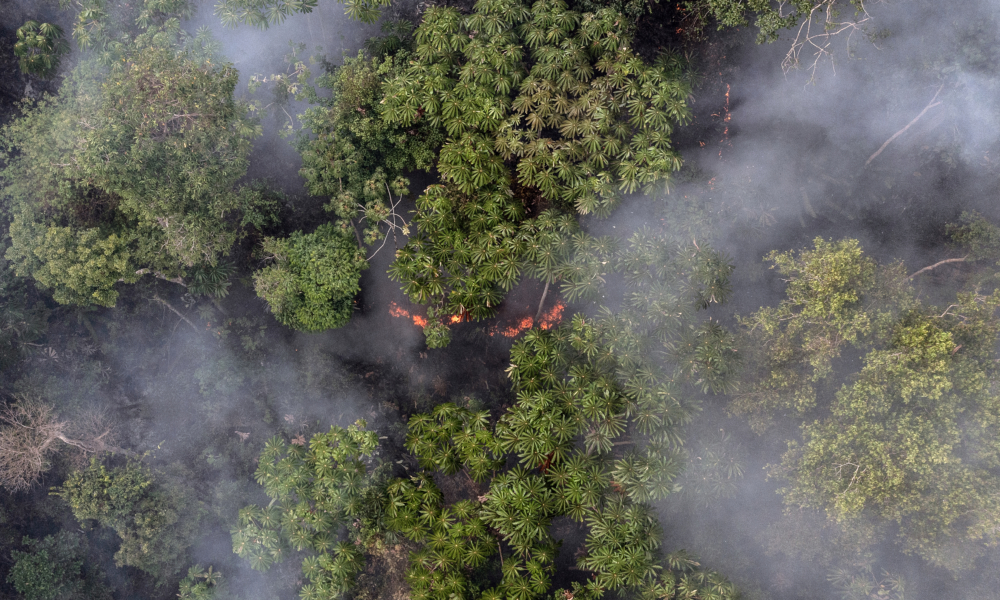
The Amazon tipping point—the critical threshold at which the forest no longer generates sufficient rainfall to sustain itself, leading to widespread dieback—is linked to key environmental changes including increases in deforestation, the advance of climate change, and the occurrence of forest fires. While both deforestation and climate change have been the focus of numerous research efforts and policy initiatives, forest fires have been much more neglected, especially by policy makers. This could be a result of forest fires being a relatively new issue in the region – historically, the Amazon did not burn. This Sprint conducted research in this crucial area, and worked alongside decision makers to develop policies and practices required to fireproof the Amazon.
This Sprint brought together experts in ecology, remote sensing and social sciences, and worked with representatives of the Brazilian Ministry of the Environment and local fire brigades and stakeholders.
Why this Sprint? Why now?
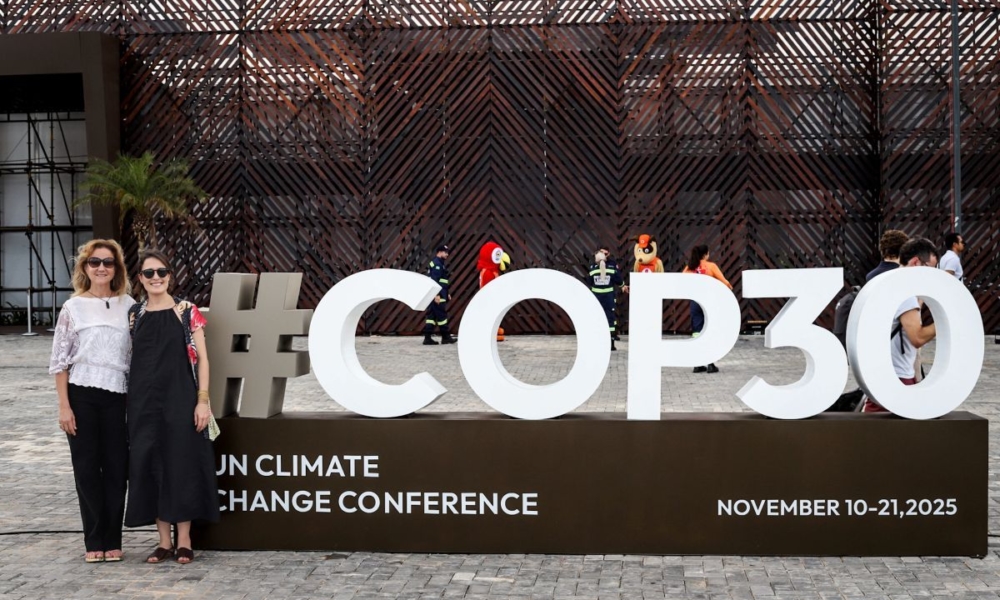
To fireproof the Amazon is an enormous environmental challenge, but, if achieved, it could avoid the tipping of one of Earth’s system, thus conserving its vast biodiversity and the livelihoods of millions of people. The burning seasons in 2023 and 2024 left decision makers at various levels of the Brazilian government (i.e. municipal, state, and federal) grappling for answers and calling for new research in this area. Additionally, the UNFCCC COP 30 was held in Brazil in 2025, and results produced under this Sprint were presented in side events at COP 30 in November 2025.