


Reflections on ARMA 2026: The Power of Partnership
Recent News
- Explore our short documentary series: The Power of Place
- The power of place: Learning from community-led innovations in Wales
- It takes a community: reflections from the Agile Symposium 2026
Written by Dr Helen Driver, programme director of Centre for Landscape Regeneration at the University of Cambridge (Changing the Environment, NERC). Originally posted 2 July 2026 on the CLR website.
Last month I had the pleasure of travelling to Harrogate for the 2026 conference of the Association of Research Managers and Administrators (ARMA) — the UK’s flagship gathering for research development, grant management, impact and knowledge exchange professionals. With over 750 delegates from across the UK and beyond, and a packed programme spanning interdisciplinary innovation, post-award management, REF and impact, and research culture, it’s fair to say the three days flew by.
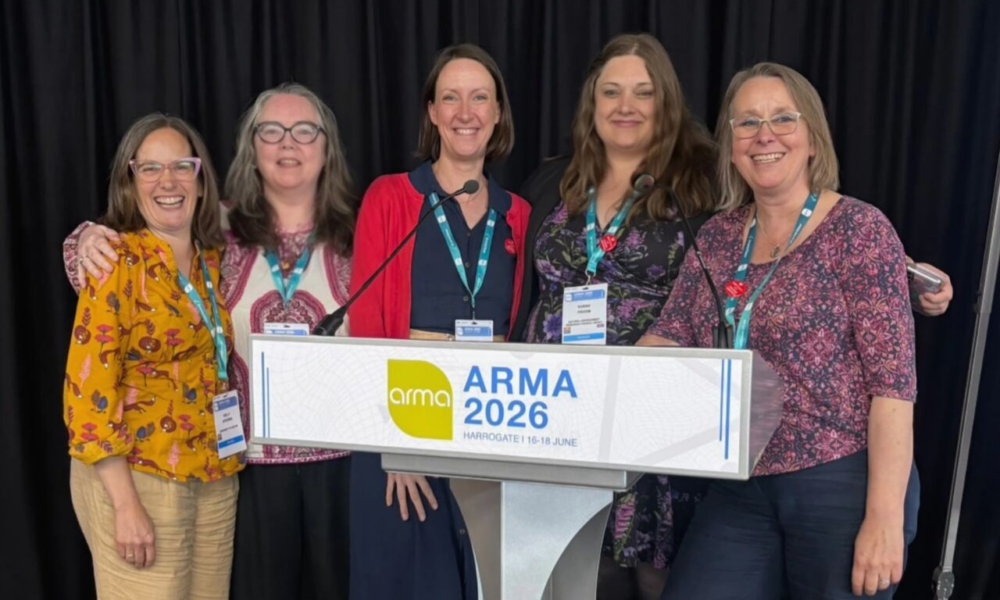
I went along as part of a small delegation from across the NERC-funded “Changing the Environment” (CtE) programme, together with:
- Sarah Froom, Portfolio Manager at NERC
- Dr Rachel Hayman, Agile (Oxford)
- Sarah Currier, GALLANT (Glasgow)
- Kelly Stevens, RENEW (Exeter)
It was genuinely energising to spend time with colleagues from the other CtE projects in person — something we don’t get to do nearly often enough given how spread out we all are.
Sharing how we support interdisciplinary research
Together we co-led a workshop session titled “Delivering the innovative, interdisciplinary ‘Changing the Environment’ programme: learning with the Research Programme Managers”, part of the conference’s ‘Funding Development and Delivery workstream’. We’d promoted the session on LinkedIn in the run-up to the conference, which helped drive some good early interest and traffic through to our respective programme websites.
The session gave us a chance to do something I think is genuinely quite rare at a conference like this: put four large, distinct research programmes and their funder on the same stage, presenting a unified view of what it actually takes to manage complex, interdisciplinary research at scale. Sarah Froom, Portfolio Manager at NERC opened by introducing the CtE programme itself — its aims, its ambitions, and an overview of all four projects — before Rachel Hayman from Agile, Oxford set out five challenge areas we’re grappling with across the programme, drawn from shared examples across all four teams:
- Managing flexible funding
- Designing and co-creating research with communities and partners
- Creating the environment for interdisciplinarity
- Supporting career development
- Monitoring and evaluation
We polled the room of around 80 attendees on which of these resonated most, and interdisciplinary working came through loud and clear as the area with the greatest shared interest — and, also, the greatest shared frustration.
What the room told us
The five of us then split the audience into groups to dig into each of these themes in more depth, and used Mentimeter to capture live feedback. The word clouds that emerged were a brilliant, honest snapshot of where the sector’s pain points really lie: comments on flexible funding kept circling back to words like “admin heavy” and “too flexible” (yes, both at once); community co-creation discussions surfaced “time intensive” and “trust” again and again; early career researcher development brought out “precarious” and “mentorship”; interdisciplinarity conversations kept landing on “language,” “trust” and “time”; and on monitoring and evaluation, the split between “love REF” and “hate REF” said it all.
None of this was surprising to those of us living it day to day, but there is something powerful about seeing it reflected back by a room full of people from institutions across the country who are wrestling with exactly the same issues.
Why the partnership matters
For me, the real value of the session was what it demonstrated about the CtE model itself. Having NERC presenting with the projects rather than funding from a distance, showed how close collaboration between funder and grant-holders can genuinely help navigate the challenges of delivering ambitious, interdisciplinary research. It’s a model I’d like to see more funders adopt.
Beyond our own session
Of course, ARMA is about far more than any one session, and I came away with plenty to think about from other sessions too — particularly around research culture and administrative innovation, both of which speak directly to what we’re trying to achieve at CLR. And it wouldn’t be a proper conference reflection without a mention of the social side: it was a genuine pleasure to catch up with peers from across the sector at the Gala Dinner and in the breaks between sessions.
Taking it forward
As CLR moves towards the later stages, I’m looking forward to bringing some of this thinking back into how we work — both within our own team and in our ongoing conversations with NERC and the other CtE projects. Conferences like ARMA are a reminder that the challenges we face at CLR are rarely unique to us, and that some of the best solutions come from comparing notes with people facing the same problems from a different angle.
Thank you to ARMA for hosting such a valuable event, and to my fellow CtE colleagues for making it such a rewarding few days.
Link to the conference website
Read more reflections from the ARMA 2026 CtE delegation: