


Outputs
On this page you will find outputs from the individual Sprints, as well as outputs from the programme-level research and learning activities. You can filter by publication type or SDG goal, or browse all our outputs starting with the most recent.
Outputs
-
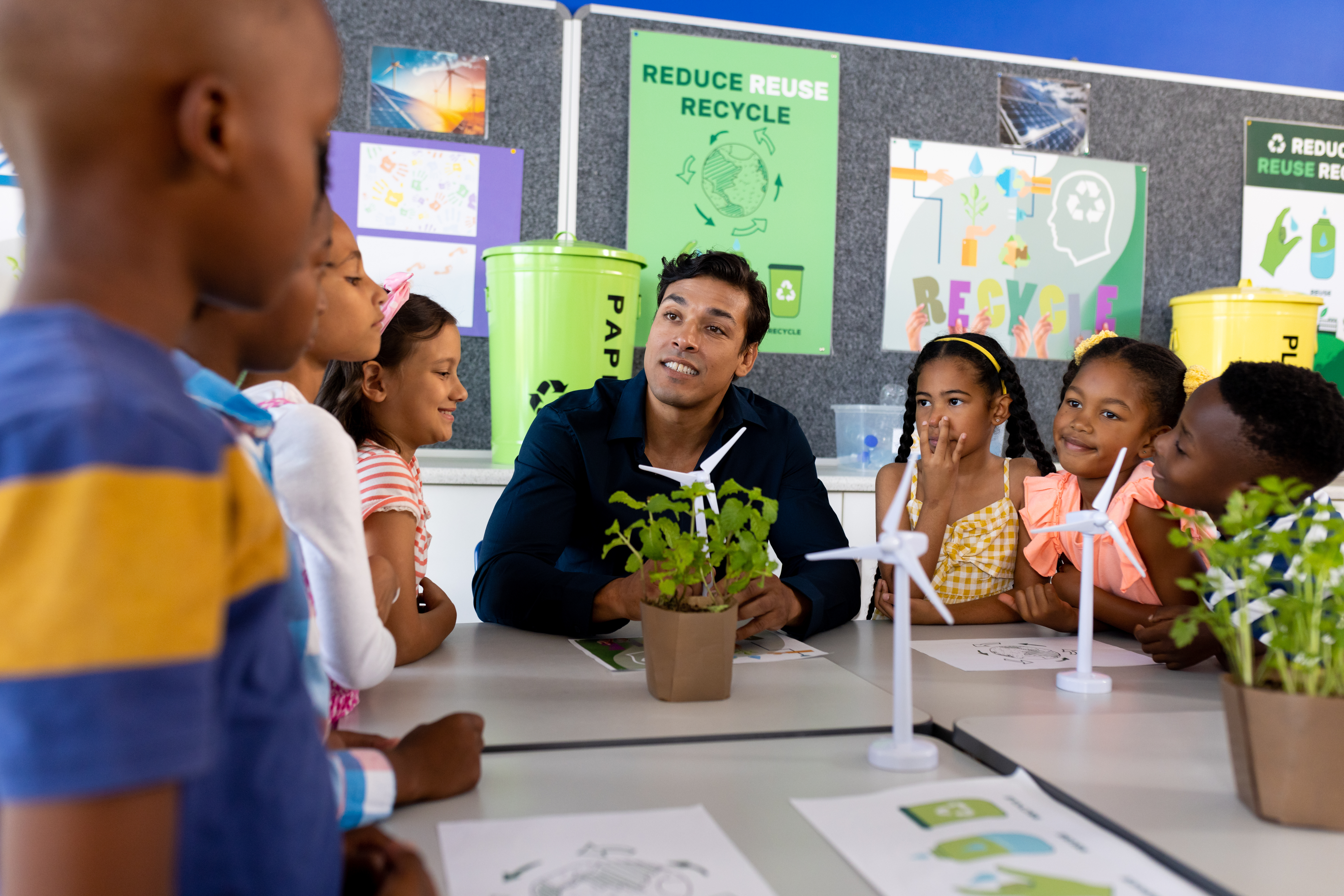
Net zero education in the UK and Australia: A force for hope and inspiration this World Environment Day
MoreIsobel Talks (University of Oxford) and Alan Reid (Monash University) compare how UK and Australian schools are navigating net zero policy commitments, finding strikingly similar challenges — and pockets of inspiring practice — on both sides of the world.
Associated Sprint: How can curriculum designers provide better Net Zero education for the next generation?
Associated SDGs: 13 Climate action, 4 Quality education
-

Expert Comment: Hormuz exposes the fragility of the UK’s food system – but price shocks alone won’t transform it
MoreDr Richard Kipling explains how the closure of the Strait of Hormuz has exposed the UK food system's reliance on imported fertiliser, and why a price shock alone is unlikely to transform it.
Associated Sprint: Can regenerative agriculture deliver nutritious food and a just food system?
Associated SDGs: 11 Sustainable cities and communities, 12 Responsible consumption and production, 15 Life on land, 2 Zero hunger, 3 Good health and well-being, 8 Decent work and economic growth
-
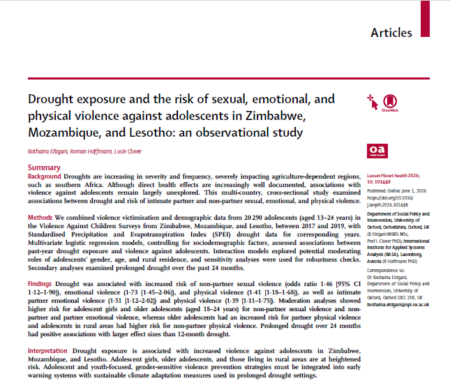
Drought exposure and the risk of sexual, emotional, and physical violence against adolescents in Zimbabwe, Mozambique, and Lesotho: an observational study
MoreThis multi-country, cross-sectional study examined associations between drought and risk of intimate partner and non-partner sexual, emotional, and physical violence.
Associated Sprint: How can we prevent childhood sexual abuse in climate disasters?
Associated SDGs: 10 Reduced inequalities, 13 Climate action, 16 Peace, justice and strong institutions, 3 Good health and well-being, 5 Gender equality
-
Bringing the economics of biodiversity into policy and decision-making: A target and cost-based approach to pricing biodiversity
MorePRE-PRINT: The paper proposes a method (TCA) to assign a cost-based “shadow price” to biodiversity based on policy targets. It avoids subjective valuations by linking biodiversity directly to government goals. This enables balanced public spending decisions without compromising biodiversity targets.
Associated Sprint: How do we account for biodiversity?
Associated SDGs: 11 Sustainable cities and communities, 14 Life below water, 15 Life on land
-
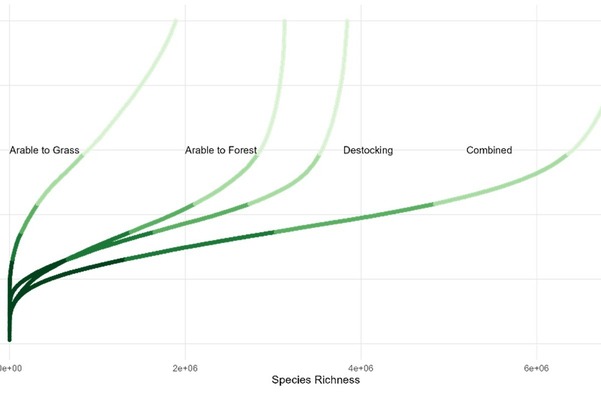
A price to account for biodiversity in central government guidance on public spending
MoreThe policy brief proposes a central biodiversity “accounting price” for UK public spending decisions, similar to carbon pricing, to better integrate nature into government appraisal and policy.
Associated Sprint: How do we account for biodiversity?
Associated SDGs: 11 Sustainable cities and communities, 14 Life below water, 15 Life on land
-

Our approach to Equality Impact Assessment
MoreThis document offers learning from the Agile Initiative for researchers, research administrators, EDI professionals, and others interested in enhancing equality in fast-paced, policy-facing research.
-
Our approach to Theory of change in research
MoreThis document offers learning from the Agile Initiative for researchers, research facilitators, administrators, and others interested in using theory of change in fast-paced, policy-facing research.
-
Our approach to Managing rapid research projects
MoreThis document offers learning from the Agile Initiative for researchers, research facilitators, administrators, and others interested in managing fast-paced, policy-facing research.
-
Our approach to Interdisciplinary research
MoreThis document offers learning from the Agile Initiative for researchers, research facilitators, administrators, and others interested in understanding and practising interdisciplinary research in fast-paced, policy-facing projects.
-
Our approach to Co-Creating research
MoreThis document offers learning from the Agile Initiative for researchers, research facilitators, administrators, and others interested in co-creating fast-paced, policy-facing research.
-

Regenerative Agriculture, greenwashing and food system power dynamics
MoreThis report examines how regenerative agriculture can be used in ways that reinforce or challenge existing food system power dynamics, exploring the risks of greenwashing and the implications for policy and business practice.
Associated Sprint: Can regenerative agriculture deliver nutritious food and a just food system?
Associated SDGs: 11 Sustainable cities and communities, 12 Responsible consumption and production, 15 Life on land, 2 Zero hunger, 3 Good health and well-being, 8 Decent work and economic growth
-
Designing ecologically effective and economically efficient conservation compensation funds: lessons from theory and practice
MorePRE-PRINT This report explores how conservation compensation funds can be designed to deliver more effective and efficient biodiversity outcomes, drawing lessons from global policy and practice.
Associated Sprint: How can the UK implement the Global Biodiversity Framework’s finance goals?
Associated SDGs: 12 Responsible consumption and production, 13 Climate action, 15 Life on land, 8 Decent work and economic growth